
Do Solar Panels Work in Ireland? (The Honest Answer)
Ireland's biggest solar question answered clearly. How solar works on cloudy days, how we compare to Germany, and what output to realistically expect.
Read Guide →
Everything You Need to Know
Does solar make sense for your home? What does it cost? Will it work in Irish weather? We give you honest, practical answers — without the sales pitch.
We cover everything Irish homeowners actually want to know before committing to solar. Written in plain English, with Irish weather, Irish homes and SEAI grants in mind.
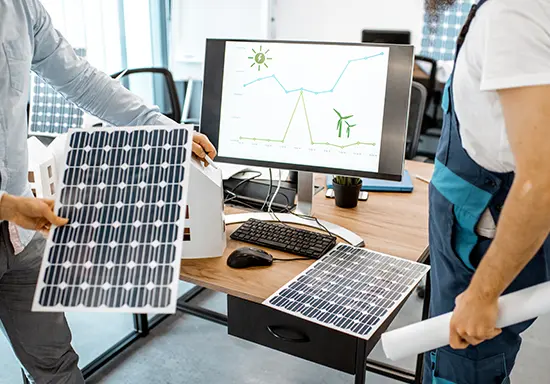
Full cost breakdown for Irish homes. What affects the price, what grants are available, and what payback looks like in practice.
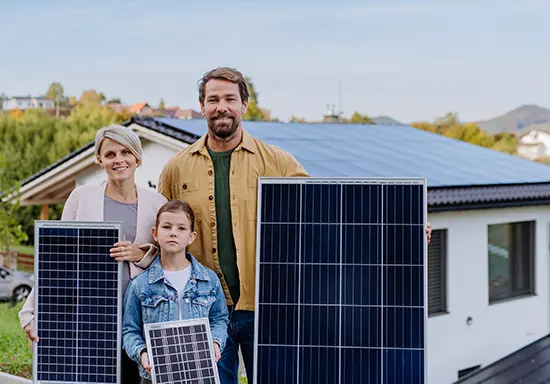
The honest answer. For most Irish homeowners, yes — but it depends on your roof, usage and how long you plan to stay. We explain all of it.
The number one question. Yes — solar works on cloudy days, and Ireland gets more than enough light. Here's the science explained simply.
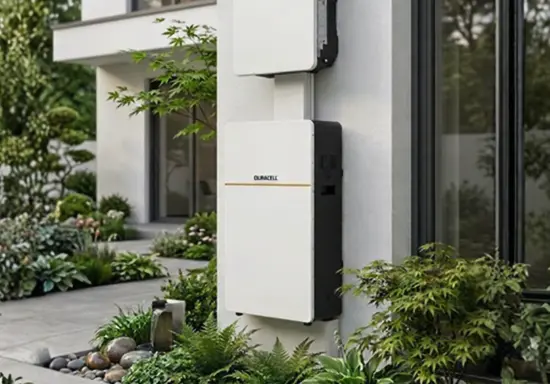
Store your solar surplus and use it in the evening. What battery storage adds to the cost — and to your savings.
Enter your monthly electricity bill and get an instant estimate of system cost, SEAI grant, annual savings and payback period.
Estimates only. Roof orientation, shading, location and components all affect actual results. Always get a quote from an SEAI-registered installer before making any decision.

This is the question every Irish homeowner asks first. The short answer is yes — solar works in Ireland, even on grey days. Modern panels generate electricity from daylight, not direct sunshine.
Germany installs more solar panels than almost any country in Europe, and gets less annual sunshine than Cork. Ireland actually has a solid solar resource once you understand how diffuse light works.
Does Solar Work in Ireland? →
A typical 4kWp system for a 3–4 bed Irish home costs between €6,000 and €12,000 installed, depending on the number of panels, whether you add battery storage, and which installer you choose.
SEAI grants reduce this significantly. We explain the full cost picture and link to the SEAI for current grant figures — because those figures change and we won't publish something that might be out of date by the time you read it.
Full Cost Guide →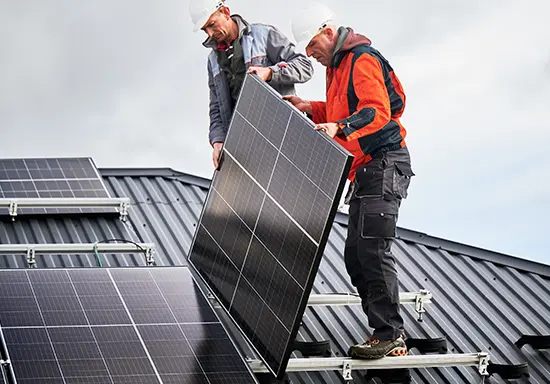
For most Irish homeowners who own their home and plan to stay for at least 6–10 years, yes — solar panels are genuinely worth it. The combination of reduced electricity bills, export payments, and SEAI grants makes the numbers work for the majority.
But there are situations where they make less sense — rented properties, heavily shaded roofs, homes on the market. We cover all of it honestly, with no sales pressure.
Are Solar Panels Worth It? →Ten complete guides covering every aspect of solar for Irish homeowners. Start with the question that matters most to you.
Ireland's biggest solar question answered clearly. How solar works on cloudy days, how we compare to Germany, and what output to realistically expect.
Read Guide →
Full cost breakdown for Irish homes by size. What affects the price, payback periods, and where to check current SEAI grant figures.
Read Guide →
The real question. We look at savings, payback, export payments, and the situations where solar might not make sense for you.
Read Guide →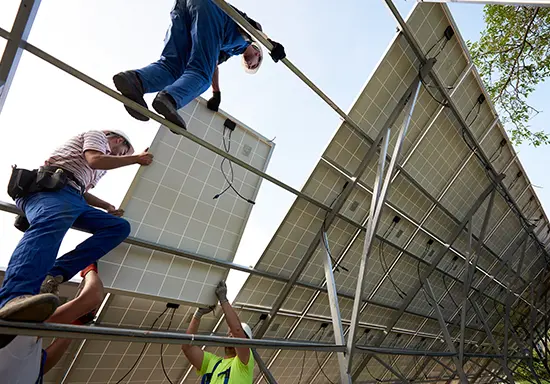
Step by step: how installation works, how long it takes, what questions to ask, and what to watch out for when getting quotes.
Read Guide →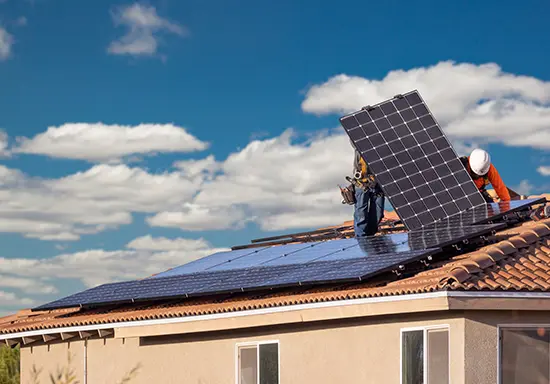
Grid-tied, battery storage, hybrid or off-grid — what each system type means and which suits an Irish home best.
Read Guide →
Do you need a battery? What it adds to the cost, what it adds to your savings, and who benefits most from battery storage in Ireland.
Read Guide →
This site exists because the Irish solar market is full of installers selling and very few independent voices explaining. We don't sell solar panels, we don't recommend specific installers, and we don't publish SEAI grant figures that might be out of date by the time you read them.
What we do: explain solar in plain English, in Irish context, so you can make a decision that's right for your home.
About This Site →