Most Irish homeowners who go solar find the installation itself is the easy part. A good installer will handle the paperwork, the grid connection and the SEAI grant application. Your job is mostly to choose the right installer and ask the right questions beforehand.
The Installation Process Step by Step
Here is what the typical journey looks like from initial contact to a working system.
Get Three Quotes
Contact at least three SEAI-registered installers. Each should carry out a site survey — either in person or via satellite imagery and photos — before quoting. A quote without a site survey is a red flag. Compare what is included in each quote carefully, not just the total price.
Accept Quote and Apply for SEAI Grant
Once you accept a quote, the installer applies for your SEAI grant on your behalf. You must use a registered installer for the grant to be valid — you cannot claim it retrospectively on work already done. The grant application is typically handled entirely by the installer.
Grid Connection Application
Your installer will apply to your local network operator (ESB Networks in most of the country) for permission to connect your solar system to the grid. This is required even if you intend to be primarily self-consuming. Grid connection approval typically takes two to eight weeks.
Installation Day
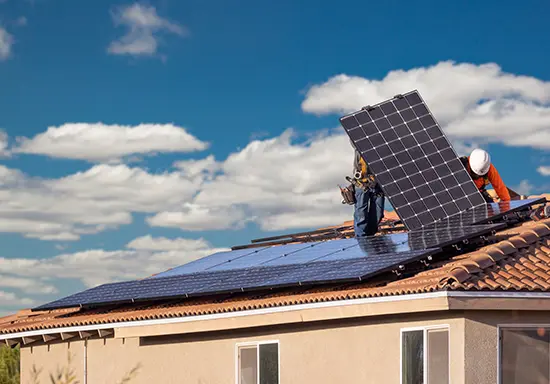
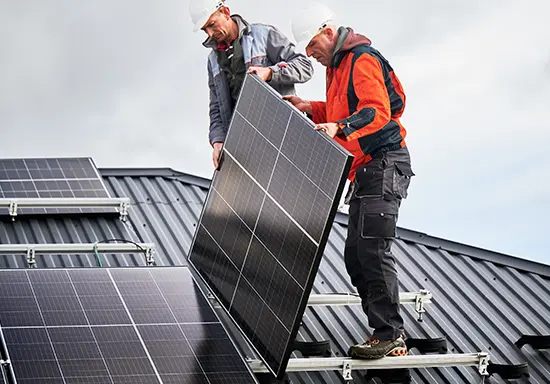
A typical 10–14 panel system takes one to two days to install. The crew will mount the racking system on your roof, fit the panels, run DC cabling to the inverter location (usually the attic or garage), install the inverter and any battery, connect to your fuse board, and commission the system. You will have a brief power outage while the fuse board is connected.
Registration and Handover
After installation, the installer registers your system with the network operator and applies for the Microgeneration Support Scheme so you can be paid for surplus electricity exported to the grid. You receive system documentation, inverter app access, and warranty certificates. The SEAI grant payment typically follows within weeks.
How Long Does Installation Take?
The physical installation of a residential solar system in Ireland typically takes one to two days on site. What takes longer is the lead time — from accepting a quote to installation day, expect four to twelve weeks depending on the installer's schedule, grant processing time, and how quickly your grid connection is approved.
Plan around the grid connection timeline. ESB Networks grid connection approval is often the longest single step, taking two to eight weeks. Your installer should manage this process but it is worth asking them about current typical timelines before you sign.
Do You Need Planning Permission?
In most cases, no. Solar panels on a pitched roof in Ireland are exempt from planning permission under the 2022 planning regulations, provided the panels do not project more than 15cm above the roof surface and do not exceed the ridge height. This covers the vast majority of residential installations.
Situations that may require planning permission include installations on protected structures, certain flat roof configurations that alter the building's appearance significantly, or homes in certain architectural conservation areas. If in any doubt, check with your local authority before proceeding.
Questions to Ask Your Installer Before Signing
- Are you SEAI-registered and can you handle the grant application on my behalf?
- What panels, inverter and mounting system are you proposing and what are their warranties?
- Is scaffolding included, or is it an additional cost?
- Who handles the ESB Networks grid connection application, and what are typical approval times currently?
- What monitoring system comes with the installation — is there an app?
- What happens if a panel is damaged during installation?
- Who do I contact if I have a problem after installation — you, the panel manufacturer, or the inverter manufacturer?
- Do you register the system for the Microgeneration Support Scheme?
Common Pitfalls to Avoid
⚠️ Red Flags
- Quote given without a site survey
- Installer not SEAI-registered
- Very large deposit requested upfront
- Pressure to sign quickly or lose a discount
- No written warranty documentation offered
- Vague answers about what is and is not included
✅ Good Signs
- Detailed written quote with itemised components
- SEAI registration number provided
- Clear timeline and process explained upfront
- References or examples of previous work available
- Handles grant and grid connection paperwork
- Post-installation support contact clearly stated
After Installation — What Changes?
Once your system is live, you will be able to monitor generation in real time through your inverter's app. On a good summer day you will see the system covering most or all of your daytime electricity use. On overcast winter days it will contribute less but still generate.
Your electricity bill will change — you will draw less from the grid during the day, and if you are on the Microgeneration Support Scheme you will receive quarterly payments for electricity you export. Notify your electricity supplier once your system is registered so they can update your account accordingly.
For the current list of SEAI-registered solar installers, grant amounts and eligibility, visit seai.ie. Always verify your installer's registration before signing a contract.
Frequently Asked Questions
A typical residential solar installation takes one to two days on site. The lead time from signing a contract to installation day is usually four to twelve weeks, depending on the installer's schedule, grant processing and grid connection approval timelines.
In most cases, no. Solar panels on a pitched roof are exempt from planning permission in Ireland under the 2022 planning exemptions, provided they do not project more than 15cm above the roof surface and do not exceed the ridge height. Protected structures and certain conservation areas may require permission — check with your local authority if in doubt.
Yes, someone should be present for at least part of the installation day. The installer will need access to your attic, fuse board, and may need to discuss inverter placement with you. You will also need to sign off on the completed work.
After installation, the installer registers your system with ESB Networks and applies for the Microgeneration Support Scheme so you can be paid for exported electricity. You receive monitoring app access, system documentation and warranty details. Notify your electricity supplier so they can update your account.

Home Solar Panels Ireland
Practical, honest information about solar panels for Irish homeowners. We explain how solar works in Ireland, what it costs, and whether it makes sense for your home — without the sales pitch.