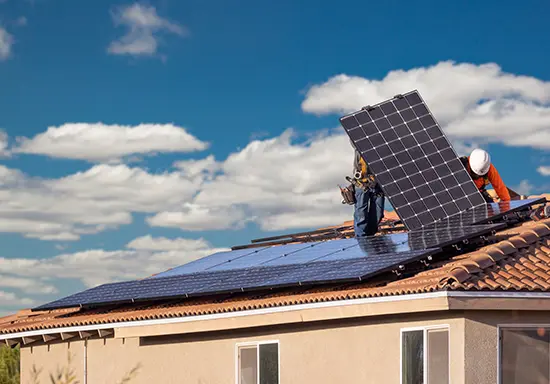
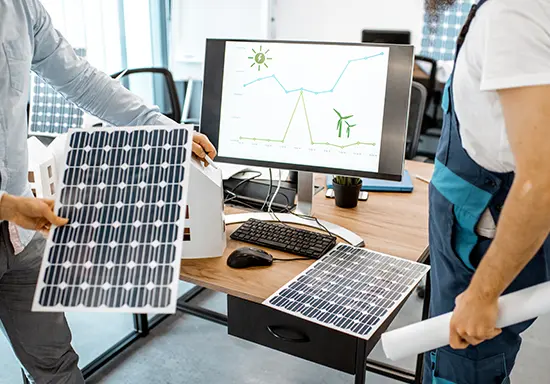
A solar battery stores the electricity your panels generate during the day so you can use it in the evening. For the right household it is a significant upgrade — for others, the numbers make more sense without one. This guide explains who benefits most.
The Problem a Battery Solves
Solar panels generate most electricity between roughly 10am and 4pm — when Irish households typically use least electricity. Without a battery, that midday surplus is exported to the grid, and you earn an export payment for it. Then in the evening, when your panels have stopped or slowed, you buy electricity back from the grid at full rate.
A battery shifts your solar generation in time. It absorbs your midday surplus and releases it in the evening, meaning you buy less from the grid at expensive rates and use more of what your panels produce. This is called increasing your self-consumption rate.
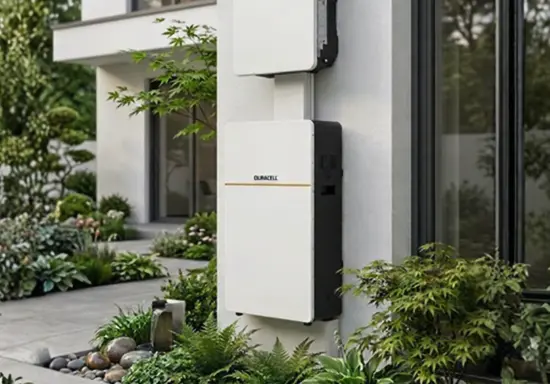
What Battery Storage Adds to the Cost
A home solar battery in Ireland typically adds €3,000 to €6,000 to the system cost, depending on capacity and brand. The most common sizes for Irish homes are 5 kWh and 10 kWh.
5 kWh Battery
Suits smaller homes or households primarily covering evening usage.
10 kWh Battery
Better for larger homes, EV charging, or wanting overnight coverage.
15+ kWh Battery
High-usage homes, EV + heat pump, or near-self-sufficient setups.
Costs are in addition to solar panel system cost and before any applicable grants. Battery pricing is falling year on year.
What a Battery Adds to Your Savings
Without a battery, a typical Irish household self-consumes around 30–40% of their solar generation — the rest is exported. Adding a battery typically increases self-consumption to 70–90%, significantly reducing grid imports.
The additional annual saving from adding a battery varies but is typically in the range of €300–€700 per year for a typical Irish home, depending on your electricity tariff, usage patterns and battery size. On a time-of-use tariff with expensive peak rates, the saving can be higher.
Battery Worth It — Strong Case
- On a time-of-use tariff with high evening rates
- EV charged at home most evenings
- Household mostly out during the day (low daytime self-consumption)
- Heat pump contributing to high overall usage
- Large solar system generating significant surplus
- Want energy independence and blackout resilience
Battery Less Compelling
- Someone home during the day using solar directly
- On a flat-rate electricity tariff
- Modest solar system relative to usage
- Budget is the priority — panels alone have faster payback
- Planning to add battery later when prices drop further
Time-of-Use Tariffs and Smart Charging
The financial case for battery storage is significantly strengthened if you are on a time-of-use electricity tariff — one where the unit rate varies by time of day, with cheaper overnight rates and more expensive peak rates in the morning and evening.
With a hybrid inverter and time-of-use tariff, your battery management system can be set to:
- Charge from solar during the day when panels are generating
- Top up from the grid overnight at cheap night rate if needed
- Discharge during expensive evening peak hours
- Avoid drawing from the grid at expensive rates entirely
This approach can make the battery pay back significantly faster than a simple solar-only calculation would suggest.
Battery Lifespan and Warranties
Most modern lithium solar batteries are warranted for 10 years or a specified number of charge cycles, typically with a guarantee of retaining at least 70–80% of original capacity after this period. Real-world lifespan is typically 10–15 years.
Battery technology and manufacturing costs are improving rapidly. Replacement in ten years will almost certainly be cheaper than the original installation, and capacity is increasing for the same price every year.
Blackout protection: Not all solar battery systems provide power during a grid outage. Standard grid-tied systems shut down for safety during a blackout, even if the battery is charged. If blackout resilience matters to you, specifically ask for a system with islanding or backup capability — not all inverters support this.
SEAI grant eligibility for battery storage changes periodically. Check seai.ie for current grant information before getting quotes, as what is covered may have changed since this guide was written.
Frequently Asked Questions
A home solar battery in Ireland typically costs €3,000 to €6,000 installed, depending on capacity and brand. This is in addition to the solar panel system cost. Check seai.ie for current grant eligibility for battery storage, as this changes.
Most modern lithium solar batteries are warranted for 10 years with a guarantee of retaining at least 70–80% of original capacity. Real-world lifespan is typically 10–15 years. Battery technology is improving rapidly so replacement costs in ten years should be significantly lower.
A 5 kWh battery suits a smaller home or one primarily looking to cover evening usage. A 10 kWh battery is more appropriate for a larger home, a household with an EV, or those wanting greater overnight coverage. Your installer should size the battery based on your solar system output and usage patterns.
Only if your system has blackout protection or islanding capability — not all do. Standard grid-tied systems with batteries shut down during a grid outage for safety, even if the battery is charged. If backup power during blackouts is important to you, specify this when getting quotes and confirm the inverter supports it.

Home Solar Panels Ireland
Practical, honest information about solar panels for Irish homeowners. We explain how solar works in Ireland, what it costs, and whether it makes sense for your home — without the sales pitch.